
Expert insights on exporting from India
Export Intelligence

Insights for International Buyers

In-depth guides on sourcing, compliance, quality standards, and procurement strategies for importing food and agricultural products from India.

40
Expert Articles
7
Categories
160+
Min. Read Time
Industry Guides

Sourcing & Market Intelligence

5 Articles
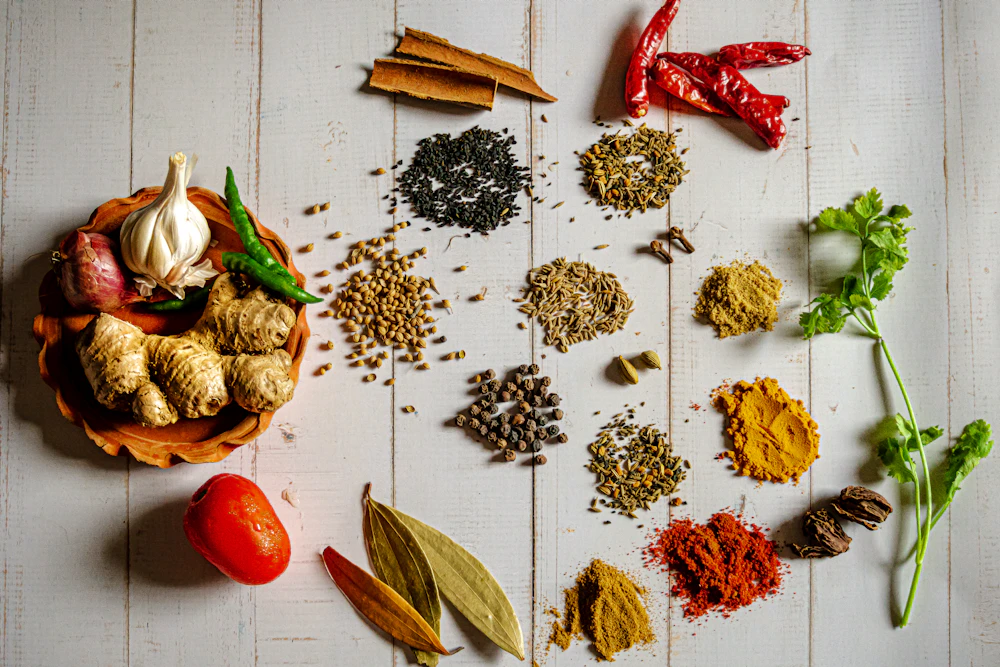
Indian spices in a market — turmeric, chilli, cumin, coriander
Market Intelligence

Top 10 Indian Spices in Global Demand: What Importers Need to Know in 2025

India produces over 75 varieties of spices and remains the world's largest exporter. This guide covers the 10 highest-demand Indian spices — turmeric, red chilli, cumin, coriander, black pepper, cardamom, fenugreek, fennel, mustard seed, and clove — with current export volumes, pricing trends, quality grades, and packaging specifications for bulk international buyers.

6 min read Read Article
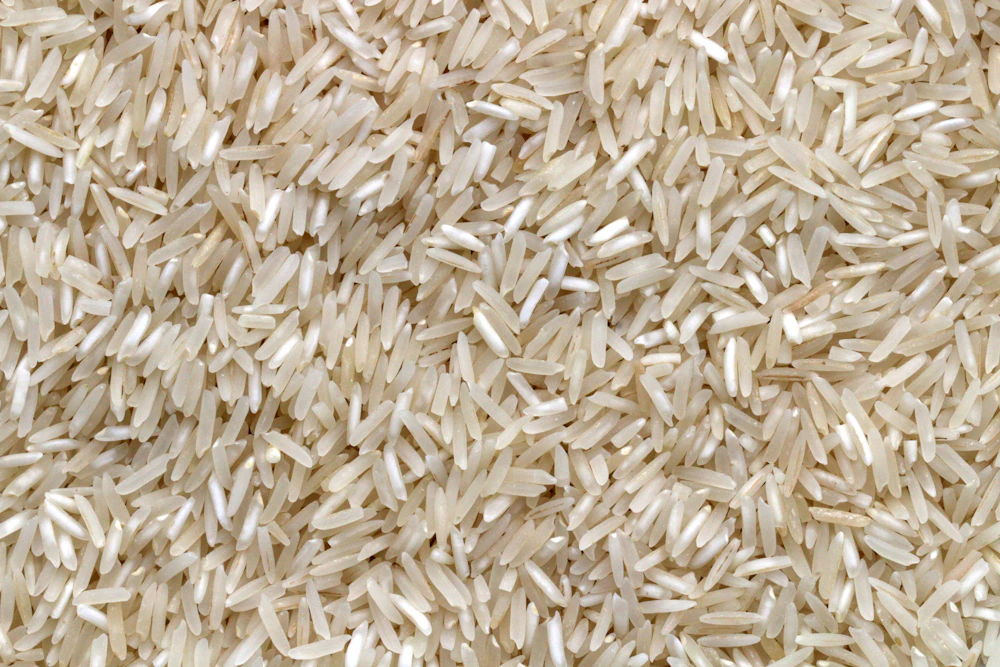
Premium basmati rice grains closeup
Market Intelligence

Basmati Rice Export from India: The Complete Buyer's Guide to Sourcing, Grades, and Pricing

India accounts for over 65% of global basmati rice exports. This comprehensive guide breaks down 1121 basmati, Pusa basmati, traditional basmati, and Sella varieties — covering grain length specifications, moisture content standards, APEDA registration requirements, current FOB pricing, and minimum order quantities for importers in the Middle East, Europe, and North America.

8 min read Read Article
Cargo containers at Indian port for export
Market Intelligence

How to Import Food Products from India: A Step-by-Step Guide for International Buyers

A definitive walkthrough for first-time and experienced importers covering supplier identification, product sampling, price negotiation, export documentation (commercial invoice, packing list, bill of lading, certificate of origin), customs clearance, and shipment tracking. Includes common pitfalls international buyers face when sourcing from Indian food exporters and how to avoid them.

7 min read Read Article
Indian agriculture export growth — bulk food shipments
Market Intelligence

India's Agricultural Export Boom: Why Global Buyers Are Turning to Indian Suppliers in 2025

Indian agricultural exports crossed $50 billion in 2024, driven by rising global demand for spices, rice, organic pulses, and processed food. This article explores the key categories experiencing growth, government incentive schemes (like MEIS and RoDTEP), new trade corridors opening in Africa and Southeast Asia, and why India is positioning itself as the most reliable bulk food supplier for cost-conscious, quality-focused international buyers.

5 min read Read Article
Export certification documents for Indian food products
Market Intelligence

FSSAI, APEDA & Phytosanitary Certificates: Understanding Indian Food Export Certifications

Navigating India's food export certification landscape can be complex for international buyers. This guide explains FSSAI licensing, APEDA registration, phytosanitary certificate requirements, fumigation certificates, lab testing reports, and certificate of origin — what each document means, who issues it, when it's required, and how a reliable exporter handles all of this on your behalf so your shipment clears customs smoothly.

6 min read Read Article
Trust & Transparency

Authority & Compliance

4 Articles
Warehouse quality inspection for export goods
Trust & Compliance

Why Verified Exporters Matter: How to Avoid Fraud and Scams in International Food Trade

Fraudulent exporters cost international buyers millions annually through impersonation, fake documentation, and substandard shipments. Learn the red flags to watch for, verification steps every buyer should take (FIEO membership, DGFT IEC verification, company registration checks), and why working with a registered, transparent exporter protects your investment and supply chain.

5 min read Read Article
Quality control and grading of food products
Trust & Compliance

Quality Control in Indian Food Exports: Grading Standards, Lab Testing, and What Buyers Should Expect

Understanding quality control is essential before committing to a bulk order. This guide covers AGMARK grading, BIS standards, independent lab testing protocols, moisture and aflatoxin limits, shelf life verification, and the pre-shipment inspection process. We explain exactly what a credible Indian exporter does to ensure your consignment meets your destination country's food safety regulations.

7 min read Read Article
Farm-fresh pulses before sorting and export
Trust & Compliance

From Farm to Port: How a Transparent Supply Chain Protects Your Bulk Food Order

Supply chain opacity is the single biggest risk in international food procurement. This article traces the journey of a typical export consignment — from farmer or manufacturer sourcing, through quality verification, sorting, grading, packaging, documentation, customs clearance, and port loading — showing how full supply chain visibility eliminates uncertainty and reduces disputes for international buyers.

6 min read Read Article
Understanding Incoterms for food import — FOB CIF EXW
Trust & Compliance

Incoterms Explained for Food Importers: FOB, CIF, EXW — Which One Protects You Best?

Incoterms define who pays for what in international shipping — and choosing the wrong one can cost you thousands. This practical guide breaks down FOB (Free on Board), CIF (Cost, Insurance, and Freight), and EXW (Ex Works) with real pricing examples for food exports from India, helping you understand risk allocation, insurance obligations, and which term suits your procurement strategy.

5 min read Read Article
Buyer Resources

Procurement & Ordering Guides

6 Articles
Product sample inspection for bulk spice order
Procurement Guide

How to Request Product Samples Before Placing a Bulk Order from India

Never commit to a bulk order without verifying product quality first. This guide explains the pre-shipment sample process — what to request, how to evaluate samples for color, aroma, moisture, and grade consistency, what sample sizes are standard for spices, rice, and pulses, and how experienced importers use sampling to negotiate better terms and reduce risk on large consignments.

4 min read Read Article
Private label packaging for Indian food products
Procurement Guide

Private Label & Custom Packaging Options for Indian Food Products: A Buyer's Handbook

Want to sell Indian spices, rice, or snacks under your own brand? This guide covers private label services available from Indian exporters — including custom branding, packaging design specifications, material options (PP, HDPE, jute, retail pouches), minimum order quantities for custom packaging, labeling compliance for different destination countries, and how to manage artwork approvals and lead times efficiently.

6 min read Read Article
Bulk pulses and lentils — chickpeas, moong, toor dal
Procurement Guide

Bulk Pulses and Lentils from India: Varieties, Pricing, MOQ, and Procurement Tips

India is the world's largest producer and consumer of pulses, exporting chickpeas, toor dal, moong dal, masoor dal, urad dal, and kidney beans to over 150 countries. This product-focused guide covers each major pulse variety, current bulk pricing benchmarks, standard minimum order quantities (typically 1 FCL / 20MT), packaging options, and seasonal price fluctuations that smart importers use to time their purchases.

5 min read Read Article
Fresh Indian fruits — mangoes, grapes, pomegranates for export
Procurement Guide

Seasonal Export Calendar: The Best Time to Source Indian Fruits, Vegetables, and Agricultural Products

Timing your purchases around India's agricultural seasons can significantly reduce costs and improve product freshness. This calendar-based guide covers harvest windows for Alphonso mangoes (April–June), grapes (January–March), pomegranates (September–February), onions (November–May), and key crop cycles for spices, rice, and grains — helping international buyers plan procurement 6–12 months in advance for optimal pricing and quality.

4 min read Read Article
Export documentation and shipping checklist
Procurement Guide

Documentation Checklist for Importing Indian Food Products: Every Paper You Need Before Shipment

Missing a single document can hold your shipment at customs for weeks. This practical, downloadable checklist covers every document required for importing food from India — commercial invoice, packing list, bill of lading, certificate of origin, phytosanitary certificate, fumigation certificate, FSSAI license copy, health certificate, lab test reports, and insurance certificate — with explanations of who provides each one and when.

5 min read Read Article
Choosing the right Indian export partner
Procurement Guide

How to Choose the Right Indian Food Export Partner: 8 Questions Every Buyer Should Ask

Your export partner makes or breaks your supply chain. This guide outlines the 8 critical questions international buyers should ask any Indian exporter before signing a deal — covering company registration verification, FIEO/APEDA membership, sample policy, minimum order flexibility, documentation capability, logistics expertise, communication responsiveness, and pricing transparency. Use this framework to evaluate any supplier and identify the ones worth your trust.

6 min read Read Article
Destination Guides

Country & Region Import Guides

7 Articles
Dubai skyline representing UAE food import market
Country Guide

How to Import Indian Spices and Rice to the UAE: Requirements, Duties, and Supplier Selection

The UAE is one of India's top food export destinations, with Dubai and Abu Dhabi serving as major re-export hubs for the wider Middle East. This guide covers UAE food import regulations, municipality approval requirements, FIRS registration, import duty structures for spices and rice, halal certification needs, and how to identify a reliable Indian export partner who understands Gulf market standards and packaging preferences.

6 min read Read Article
US food import FDA compliance for Indian products
Country Guide

Importing Food Products from India to the USA: FDA Prior Notice, FSVP, and Customs Clearance

The US market offers enormous potential for Indian food products but comes with strict FDA requirements. This guide walks through the Foreign Supplier Verification Program (FSVP), FDA Prior Notice filing, Bioterrorism Act compliance, US Customs and Border Protection documentation, USDA requirements for specific product categories, and the role of a registered FDA Food Facility. Essential reading for any US-based importer considering Indian food suppliers.

8 min read Read Article
European Union food safety standards for Indian imports
Country Guide

EU Food Import Regulations for Indian Products: RASFF, MRL Limits, and Health Certificate Requirements

European Union food imports are governed by some of the world's strictest safety standards. This article explains the Rapid Alert System for Food and Feed (RASFF), Maximum Residue Limits (MRL) for pesticides on Indian spices, mycotoxin and aflatoxin limits, EU health certificate requirements, the role of Border Control Posts (BCPs), and specific documentation that Indian exporters must provide for smooth customs clearance at European ports.

7 min read Read Article
Saudi Arabia food import market for Indian rice and spices
Country Guide

Importing Indian Rice to Saudi Arabia: SASO Standards, Labelling Rules, and Customs Procedures

Saudi Arabia imports over 1.5 million tonnes of rice annually, with India as its dominant supplier. This guide covers SASO (Saudi Standards, Metrology and Quality Organization) requirements, Arabic labelling mandates, SABER certification platform registration, import duty exemptions under bilateral trade agreements, port clearance at Jeddah and Dammam, and how to structure pricing for the competitive KSA market.

6 min read Read Article
African markets for Indian food export opportunities
Country Guide

African Market Opportunities for Indian Food Exports: Nigeria, Kenya, South Africa, and Beyond

Africa represents one of the fastest-growing markets for Indian food products, driven by urbanization, population growth, and rising demand for affordable staples. This article profiles key markets — Nigeria (rice, spices), Kenya (pulses, tea), South Africa (spices, processed foods), and Tanzania (grains) — covering import regulations, tariff structures under AfCFTA, payment risk management, and logistics routes from Indian ports to Mombasa, Lagos, and Durban.

7 min read Read Article
Southeast Asian food import from India — Singapore, Malaysia
Country Guide

Sourcing Indian Food Products for Southeast Asia: Singapore, Malaysia, Indonesia, and Vietnam

Southeast Asia's large Indian diaspora and growing demand for authentic spices, rice, and pulses make it a natural market for Indian food exports. This guide covers SFA (Singapore Food Agency) approval processes, Malaysian halal certification (JAKIM), Indonesian BPOM registration, Vietnam's food safety import requirements, ASEAN-India FTA tariff benefits, and optimal shipping routes from JNPT and Chennai ports to Southeast Asian destinations.

6 min read Read Article
UK food import regulations post-Brexit for Indian exporters
Country Guide

Importing Indian Food Products to the UK Post-Brexit: DEFRA Rules, Border Checks, and Labelling

Post-Brexit, the UK has established its own food import framework separate from the EU. This guide explains DEFRA (Department for Environment, Food & Rural Affairs) requirements, the UK's new Border Target Operating Model (BTOM), health certificate requirements for food of non-animal origin, UK labelling regulations, and how Indian exporters can navigate the transition from EU entry points to direct UK port clearance for faster, more cost-effective shipments.

6 min read Read Article
Product Intelligence

Product Deep Dives

6 Articles
Indian turmeric powder — Salem and Erode varieties for export
Product Guide

Indian Turmeric Export: Salem vs Erode vs Sangli Varieties, Curcumin Content, and Global Demand Trends

India produces over 80% of the world's turmeric, but not all turmeric is equal. This deep-dive compares Salem (high curcumin, 5-7%), Erode (aromatic, 3-4% curcumin), and Sangli (bright color, cosmetic grade) varieties. Covers curcumin content testing, moisture and lead-level compliance, finger vs. bulb turmeric pricing differences, organic certification premiums, and current FOB pricing benchmarks for bulk export orders.

7 min read Read Article
Indian red chilli varieties — Teja, Byadgi, Kashmiri
Product Guide

Red Chilli Export from India: Teja, Byadgi, Kashmiri, and Guntur Varieties Compared

India is the world's largest producer, consumer, and exporter of red chillies. This product guide compares the four most exported varieties — Teja (high pungency, 80,000+ SHU), Byadgi (deep red color, low heat), Kashmiri (vibrant color, mild heat), and Guntur Sannam (balanced heat and color). Covers Scoville Heat Unit (SHU) specifications, aflatoxin and Sudan dye compliance, stem vs. stemless pricing, and processing options including whole, crushed, and powder forms.

6 min read Read Article
Indian groundnuts for export — HPS, Bold, Java varieties
Product Guide

Indian Groundnut Export: HPS, Bold, Java, and TJ Varieties — Grades, Pricing, and Market Demand

India is the second-largest groundnut exporter globally, with Gujarat and Rajasthan as primary sourcing regions. This guide covers the four main export varieties — HPS (Hand Picked Selected), Bold (large kernel, 38/42 count), Java (smaller kernel, uniform size), and TJ (medium grade). Explains count-per-ounce grading, allowable moisture and aflatoxin limits, blanching and splitting options, oil content variations, and seasonal pricing patterns that impact buyer procurement timing.

5 min read Read Article
Indian jaggery and raw sugar for international export
Product Guide

Jaggery and Sugar Export from India: Processing Methods, Grades, Packaging, and Global Demand

India is the world's largest producer of jaggery (gur), with growing international demand driven by the clean-label and natural sweetener movement. This guide covers jaggery forms (solid blocks, granulated, liquid), sugar grades (S-30, M-30, ICUMSA 45), processing and purification methods, organic certification options, packaging for tropical climates to prevent moisture absorption, and the key export markets in the Middle East, North America, and Europe driving demand growth.

5 min read Read Article
Indian tea varieties — Assam, Darjeeling, CTC for export
Product Guide

Indian Tea Export: Assam CTC, Darjeeling Orthodox, and Nilgiri Varieties — Buyer's Sourcing Guide

India is the world's second-largest tea producer and a top-5 exporter, with distinct regional varieties commanding different market positions. This guide compares Assam CTC (strong malty flavor, ideal for tea bags), Darjeeling Orthodox (the "Champagne of Teas," GI-tagged), and Nilgiri (bright, brisk, versatile). Covers Tea Board of India certification, auction vs. private sale pricing, minimum order quantities, FSSAI and ISO 3720 standards, and packaging for freshness retention during international transit.

7 min read Read Article
Indian sesame seeds — white, black, and hulled for export
Product Guide

Indian Sesame Seeds Export: White, Black, and Hulled Varieties — Specifications and Pricing Guide

India is among the top three global sesame seed exporters, with Gujarat, Rajasthan, and Madhya Pradesh as key producing states. This guide covers natural white (99/1 and 99.95 purity), natural black (for oil extraction and Japanese market), and hulled (for bakery and tahini industries) varieties. Explains oil content percentages, FFA (Free Fatty Acid) limits, cleanness specifications, Salmonella and E. coli testing protocols, and seasonal price fluctuations tied to monsoon harvests.

5 min read Read Article
Trade Operations

Trade & Logistics Intelligence

6 Articles
Shipping containers 20ft vs 40ft for food export
Trade & Logistics

Understanding Container Types for Food Export: 20ft vs 40ft, Reefer vs Dry, and Loading Optimization

Choosing the right container type directly impacts your landed cost and product quality. This guide explains the differences between 20ft GP (general purpose) and 40ft HC (high cube) containers, when to use reefer (refrigerated) containers for perishable products, loading capacity calculations for bags, cartons, and pallets, weight limits per container type, ventilation requirements for hygroscopic products like rice and spices, and how to optimize container utilization to reduce per-unit shipping costs.

5 min read Read Article
Payment terms for international food trade — LC, TT explained
Trade & Logistics

Payment Terms in International Food Trade: Letter of Credit, TT, DA, and DP Explained for Buyers

Payment terms define the financial risk distribution between buyer and seller in international trade. This practical guide breaks down Letter of Credit (LC) — including sight LC, usance LC, and confirmed LC — Telegraphic Transfer (TT) with advance and balance structures, Documents Against Payment (DP), and Documents Against Acceptance (DA). Includes risk comparison tables, bank charges, typical payment flows for Indian food exports, and which payment term is safest for first-time buyers.

7 min read Read Article
Fumigation and pest control for Indian food export shipments
Trade & Logistics

Fumigation and Pest Control Requirements for Indian Food Exports: Methyl Bromide, Phosphine, and Alternatives

Most destination countries require fumigation certificates for food imports to prevent pest introduction. This guide covers the two primary fumigation methods — Methyl Bromide (being phased out under the Montreal Protocol) and Aluminum Phosphide (Phosphine) — treatment protocols, dosage requirements, aeration periods, certificate formats, ISPM-15 wood packaging treatment requirements, and emerging alternatives like heat treatment and controlled atmosphere storage. Explains which markets accept which methods and how compliant exporters manage the process.

5 min read Read Article
Calculating FOB CIF and landed cost for Indian food imports
Trade & Logistics

How to Calculate FOB, CIF, and Landed Cost for Indian Food Imports: A Practical Pricing Breakdown

Understanding the total cost of importing food from India goes far beyond the quoted product price. This guide provides a step-by-step pricing breakdown from FOB (Free on Board) at Indian port to CIF (Cost, Insurance, Freight) at your destination, all the way to landed cost including customs duty, port charges, inland transportation, and warehousing. Includes worked examples for a 20ft container of basmati rice and a mixed spice container, showing exactly where each cost is incurred and how buyers can optimize.

6 min read Read Article
Indian port infrastructure — JNPT Mumbai Mundra Chennai
Trade & Logistics

Indian Port Infrastructure for Food Exports: JNPT, Mundra, Chennai, and Tuticorin — Which Port to Use

India's port selection significantly impacts transit time, shipping cost, and service reliability for food exports. This guide profiles the four major food export ports — JNPT Nhava Sheva (India's busiest, serving western India), Mundra (fastest-growing, competitive rates), Chennai (southern hub for Southeast Asia routes), and Tuticorin (key for spices from Kerala and Tamil Nadu). Covers port handling capabilities, average vessel frequency, inland connectivity, customs processing times, and which port serves which export corridor most efficiently.

5 min read Read Article
Marine cargo insurance for food shipments
Trade & Logistics

Cargo Insurance for International Food Shipments: Coverage Types, Claim Process, and What Buyers Should Know

Marine cargo insurance protects your investment against loss or damage during transit — yet many importers underestimate its importance until a claim arises. This guide explains Institute Cargo Clause A (all-risk), B (named perils), and C (basic) coverage levels, specific risks for food cargo (moisture damage, contamination, temperature excursion), how to calculate insured values (CIF + 10%), documentation required for claims, average claim processing timelines, and why CIF buyers should verify their exporter's insurance coverage rather than assuming it's adequate.

5 min read Read Article
Buyer Confidence

Trust & Decision Guides

6 Articles
First-time buyer checklist for importing Indian food products
Buyer Trust

First-Time Buyer's Checklist: 12 Steps to Your First Successful Food Import from India

Your first import from India doesn't have to be overwhelming. This step-by-step checklist guides new buyers through the entire process — from identifying the right product category, researching potential exporters, requesting samples, negotiating pricing and terms, confirming documentation requirements, arranging inspection, selecting payment terms, booking shipment, tracking cargo, clearing customs, verifying quality on arrival, and building toward a repeat order. Designed to eliminate uncertainty and build confidence from day one.

8 min read Read Article
Direct sourcing from India vs trading through intermediaries
Buyer Trust

Why Direct Sourcing from India Beats Trading Through Intermediaries: A Cost and Quality Comparison

Many international buyers source Indian food products through intermediaries, trading houses, or re-exporters — often paying 15-30% more than direct sourcing would cost. This article compares direct-from-India sourcing vs. intermediary-based procurement across six dimensions: pricing transparency, quality control, documentation accuracy, communication speed, supply chain visibility, and relationship longevity. Includes real-world cost comparisons showing how direct sourcing from a registered Indian exporter delivers better margins and more consistent quality.

6 min read Read Article
How Indian exporters handle disputes and quality claims
Buyer Trust

What Happens When Things Go Wrong: How Credible Indian Exporters Handle Disputes, Claims, and Returns

Every international buyer worries about what happens if a shipment arrives damaged, off-spec, or delayed. This article transparently addresses how a professional Indian exporter handles quality disputes — from pre-shipment inspection to post-arrival claims. Covers the dispute resolution process, documentation required for claims, typical resolution timelines, insurance claim procedures, credit note and replacement policies, and the key contractual clauses that protect buyers in export agreements. Building trust by being honest about the realities of international trade.

6 min read Read Article
Building long-term supply relationship with Indian exporter
Buyer Trust

Building a Long-Term Supply Relationship with an Indian Exporter: Beyond the First Order

The true value of an Indian export partner reveals itself not in the first order, but in the tenth. This guide explores what makes long-term supply relationships work — consistent quality delivery, transparent communication during market volatility, flexibility on order sizes during off-seasons, proactive notifications about regulatory changes, priority allocation during supply shortages, and the compounding benefit of mutual understanding that eliminates friction over time. For buyers thinking beyond transactional sourcing toward strategic supply chain partnership.

5 min read Read Article
Cost breakdown and pricing transparency for Indian food exports
Buyer Trust

Cost Breakdown: What Actually Goes Into the Price of Indian Food Exports — A Transparency Guide

Price is the most scrutinized element of any export quotation, yet few buyers understand what drives it. This transparency guide breaks down the full cost structure of an Indian food export shipment — raw material procurement (40-55%), sorting, grading, and processing (8-12%), quality testing and certification (2-4%), packaging materials (5-8%), inland transportation to port (3-5%), port handling and customs (2-3%), exporter margin (8-15%), and market fluctuation buffers. Designed to help buyers evaluate quotations with informed confidence rather than blind comparison.

6 min read Read Article
Organic certification for Indian food products — NPOP, USDA, EU
Buyer Trust

Organic Certification for Indian Food Products: NPOP, USDA NOP, EU Organic, and JAS — What Buyers Must Verify

Global organic food demand is growing at 12-15% annually, and India is a major organic producer — but certification standards vary significantly across markets. This guide explains India's National Programme for Organic Production (NPOP), its equivalence agreements with USDA NOP and EU Organic standards, Japan Agricultural Standards (JAS) requirements, the role of accredited certification bodies like APEDA-registered agencies, transaction certificate verification, and the critical difference between "organic" and "in-conversion" products. Essential for buyers sourcing organic spices, rice, pulses, and tea from India.

7 min read Read Article
Ready to Source?

Start With a Conversation, Not a Commitment

Share your product requirements and destination country. Our export team will respond with pricing, availability, and sample options within 24 hours.

Contact Export Manager Request a Sample

Important Notice: Fraud Alert

Verify all communications through our official channels before making any payment or commitment.

Read Full Notice